Messina
Messina greets almost every traveller who arrives in Sicily by ferry, and it repays a slow look rather than a passing glance. A city of monumental sculpture, golden mosaics and one of the world’s most astonishing clocks, it stands between two seas with a history of destruction and audacious rebirth written into every facade.
Why visit
Messina is the maritime gateway to Sicily, and its reward is a city centre far richer than most itineraries allow time for. The Duomo and its bell tower alone justify a stop: a Norman cathedral clothed in glittering mosaics, beside a machine of gilded bronze that performs at noon like a small theatre. Add sweeping views over the Strait from the hilltop Sacrario, a monumental fountain that celebrates the city’s pact with the sea, and a contemporary park of land art overlooking the water, and Messina becomes a genuine destination rather than a transit lounge. It is also compact and flat near the port, which makes it an easy half-day or full-day city walk before or after crossing to Calabria.
Character and history
Messina has always lived by the Strait. Greek settlers founded the city in antiquity, and its harbour made it a prize for successive rulers: Normans, Swabians, Angevins, Aragonese and Bourbons all left their mark. In the sixteenth and seventeenth centuries Messina was one of the most prosperous ports in the Mediterranean, sufficiently confident to commission grand civic fountains from leading sculptors of the age. The city’s darkest chapter came at dawn on 28 December 1908, when a catastrophic earthquake and tsunami levelled most of Messina and killed tens of thousands of people. What stands today is largely a twentieth-century reconstruction, and that gives the centre its particular atmosphere: broad avenues, elegant but sober architecture, and monuments that speak deliberately of resilience. The university, tracing its roots to the mid-sixteenth century, keeps the city young, while the working port keeps it unmistakably itself.
What to see
Begin at Duomo di Messina, the heart of the city. The cathedral has Norman origins and retains a notable medieval organ, while its apses glow with golden mosaics. Next door rises the bell tower, whose astronomical clock was built in 1933 by the Ungerer company of Strasbourg to celebrate Messina’s recovery after the earthquake. Every day at noon the automata come to life: a lion roars, a golden rooster crows and flaps, figures representing the legendary heroines Dina and Clarenza ring the bells, and a carousel of figures meditates on the passing of human life. Watch it from the square, then continue a short walk to the Fontana di Nettuno a Messina, a sixteenth-century monument whose Triton-fringed Neptune embodies the city’s bond with the sea; it is handsomely lit after dark. For the best vantage point, climb to the Sacrario di Cristo Re – Messina, a war memorial raised on a height above the centre, where a monumental Christ gazes over the rooftops and the Strait; at sunset it is one of the finest viewpoints in eastern Sicily. Finally, if you have transport or time, the Alfabeti dei Due Mari – Fondazione Horcynus Orca is a striking land-art structure within the Horcynus Orca park on the Capo Peloro headland, where the sculpture’s steel letters frame the meeting of two seas.
How to experience
Time your visit to the noon performance of the astronomical clock; arrive a quarter of an hour early to find a good spot in Piazza Duomo. After the show, walk the grid of the rebuilt centre towards the seafront, pausing at the Fountain of Neptune and the civil architecture around the port. Late afternoon belongs to the Sacrario di Cristo Re, when the light softens over the Strait and Calabria’s mountains appear on the horizon. Messina is also a working city, so build in small pleasures: an espresso or granita at a counter among locals, a wander through the morning market, and a plate of focaccia messinese, the city’s beloved tomato-and-cheese street food. Ferry crossings to Calabria run through the day, and watching the approach to port from the water is an experience in itself.
Practical planning
Messina is served by regional trains along both Sicilian coasts, by buses from Catania airport, and by ferries and hydrofoils to Villa San Giovanni and Reggio Calabria on the mainland. The city centre is walkable, with the Duomo area a manageable stroll from the port and main station; the Sacrario requires a short drive or a steady uphill walk. Summer is hot and the waterfront is exposed, so carry water and plan indoor pauses in the cathedral. Check the cathedral and bell tower visiting arrangements before you go, as hours and access vary; the Fondazione Horcynus Orca site, horcynusorca.it, publishes current information for the park and the Alfabeti dei Due Mari. Allow at least half a day, comfortably a full one if you include the headland.
Nearby places
Across the Strait, Reggio Calabria makes a natural twin-city excursion, and the seafront village of Scilla sits in the shadow of its own legend. In Sicily, the cliff-top theatre town of Taormina and the castle and beaches of Milazzo are both within easy reach along the coast.
Worth building a day around.
Alfabeti dei Due Mari – Fondazione Horcynus Orca
Regione Siciliana — Visit Sicily, in “Alfabeti dei Due Mari – Fondazione Horcynus Orca”, identifies Alfabeti dei Due Mari – Fondazione Horcynus Orca as…
Duomo di Messina
Regione Siciliana — Visit Sicily, in “Duomo di Messina - Visit Sicily”, identifies Duomo di Messina as a visitor-relevant attraction associated with Messina. Verified…
Fontana di Nettuno a Messina
Regione Siciliana — Visit Sicily, in “Fontana di Nettuno a Messina - Visit Sicily”, identifies Fontana di Nettuno a Messina as a visitor-relevant attraction…
Sacrario di Cristo Re - Messina
Regione Siciliana — Visit Sicily, in “Sacrario di Cristo Re - Messina - Visit Sicily”, identifies Sacrario di Cristo Re - Messina as a…
Journeys in Messina.
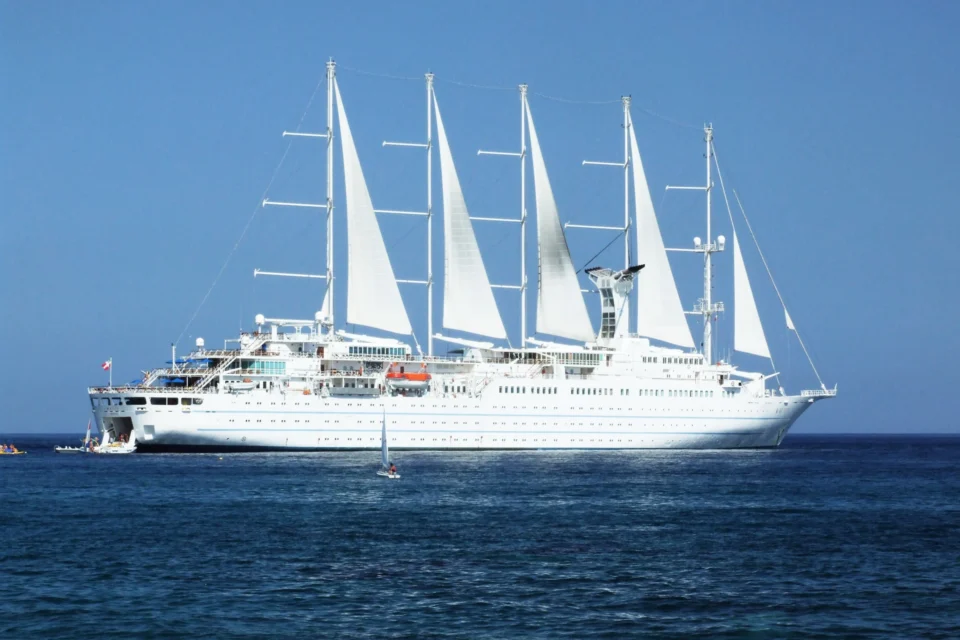
Demo — Messina Private Highlights Tour
Let a local expert design your Messina day.
Tell us your dates and pace. A travel designer replies within one working day.