Rome, Florence and Venice form a compelling first journey through Italy not because they can be reduced to a list of famous sights, but because each reveals a different way of understanding the country. Rome is layered and expansive. Florence concentrates art, civic history and daily life into a walkable centre. Venice changes the logic of movement altogether, replacing streets with canals and asking the traveller to slow down.
The route looks simple on a map. The art lies in deciding how long to stay, what to guide, what to leave independent and whether “beyond” should mean countryside, coast, lakes, another city or simply more time in the three principal places.
A private journey can provide structure without removing discovery. It should simplify the complicated parts, deepen encounters that benefit from expertise and leave enough freedom for Italy to feel personal.
Begin with nights, not stops
Count the usable nights after accounting for arrival and departure. An overnight flight followed by an early arrival does not automatically create a full touring day. Neither does a morning checkout followed by a transfer and hotel check-in. Treat both as transition days unless the traveller knows they recover quickly.
For a classic route, Rome generally deserves the largest first allocation because of its scale and the range of interests it can support. Florence benefits from enough time to see a major collection and still experience the city outside a museum. Venice should include at least one evening and one early morning when the traveller is not arriving or leaving. These are planning principles, not mandatory numbers.
A useful framework is:
- a compact journey: three bases, one principal guided focus in each, no regional extension;
- a balanced journey: three bases plus a free day or one carefully selected excursion;
- a deeper journey: three bases plus several nights in one complementary region.
If the trip is short, remove the extension before compressing every city. “Beyond” is valuable only when it creates contrast without turning the holiday into repeated packing.
Rome: organise the layers
Rome can overwhelm first-time visitors because ancient, Christian, Renaissance, Baroque and modern life occupy the same urban field. A strong opening does not attempt to explain everything. It gives the traveller a way to read the city.
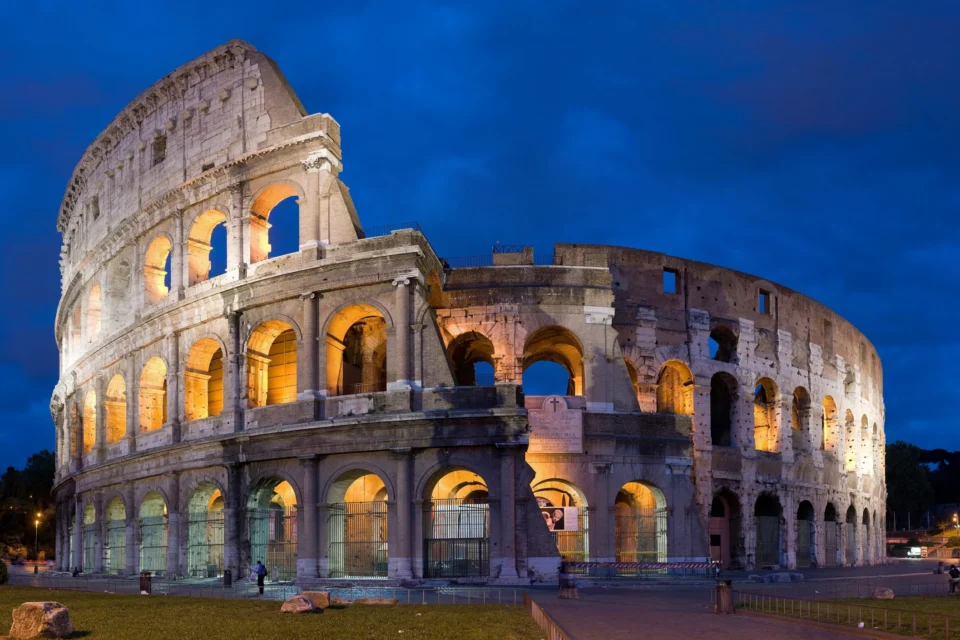
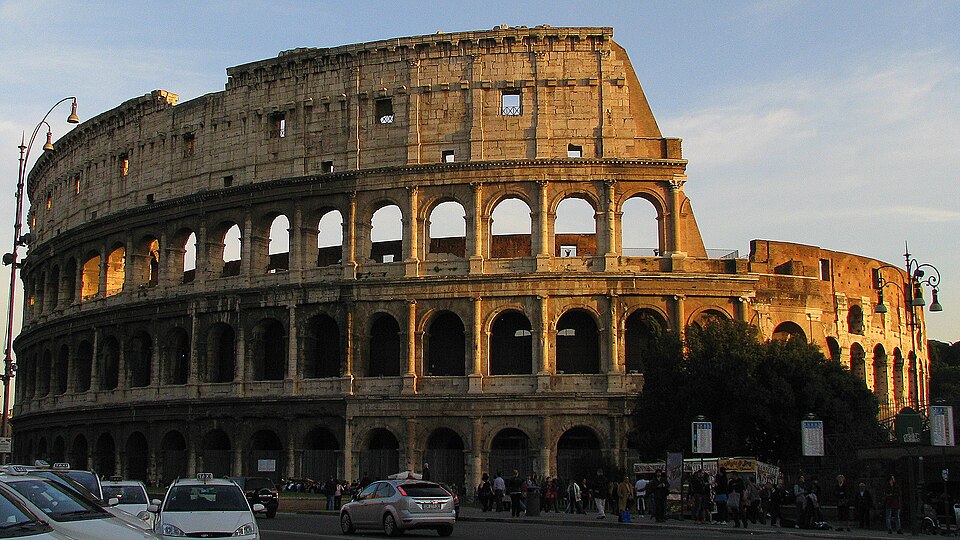
One guided session might focus on ancient Rome, anchored by the Colosseum and the archaeological landscape around it. The Colosseum Archaeological Park currently requires a reserved entry time for the amphitheatre and publishes ticket-release information on its official website. That admission should determine the morning or afternoon, with walking, guide hours and recovery time arranged around it.
Another session might connect the historic centre through a sequence of public spaces, churches and streets rather than another large controlled site. A Vatican-focused visit, if requested, is best treated as a major experience of its own, not a prelude to an overloaded afternoon elsewhere.
Rome also needs independent time. A traveller who has only been moved between vehicles and entrances has not yet understood the city’s scale or texture. Leave room for a neighbourhood, a long lunch, a return to a favourite square or an evening walk from the hotel.
Hotel geography matters. A central position can support independent evenings; a quieter area may offer more retreat but require additional transport. Choose according to the traveller’s rhythm.
A measured Rome rhythm
A well-paced stay might open with arrival, orientation and an early dinner. The next day can hold the principal ancient-city visit, followed by a generous break. A second full day can focus on another historical layer or the Vatican area. A final morning can remain independent or be devoted to a market, gallery, private collection or neighbourhood before the onward transfer.
Do not schedule every sunrise and night tour simply because Rome offers them. Leave energy for returning to a favourite street at a different hour.
The first transfer: make it legible
Rome to Florence is often planned by rail, but the private service lies around the train as much as on it. Confirm luggage responsibility, assistance, tickets and the exact arrival meeting point.
Do not place the Uffizi or another irreplaceable timed visit immediately after the journey. Even when the scheduled travel time is efficient, a transfer includes hotel departure, station navigation and arrival logistics. Let Florence begin with lunch, a walk or a short orientation. This creates resilience and allows the first major visit to happen when the traveller is rested.
Official transport guidance should be checked for the actual route and date. Schedules, strikes, engineering works and ticket conditions are live information. The itinerary should record the selected service but avoid presenting a timetable as permanent editorial fact.
Florence: select rather than accumulate
Florence’s density can mislead planners into scheduling too much. Major museums, churches, palaces and viewpoints may be close in distance but still require sustained attention. Italia.it’s official Florence guide places the Uffizi, Ponte Vecchio, Pitti Palace and Boboli Gardens within a broader city experience that also includes neighbourhoods and unscripted wandering. That balance is important.
For a first visit, decide what the traveller most wants to understand. If Renaissance painting is central, reserve the Uffizi through the official channel and engage a guide who can edit the collection into a meaningful path. The Uffizi’s own website publishes current ticket-purchase methods, timetables and visitor notices; these should control operational planning.
If architecture is the priority, the cathedral complex and surrounding civic spaces may deserve more time. If daily life and food are more important, a market and artisan-led route may be more memorable than a second museum. “Private” should mean the programme can choose, not that it must add.
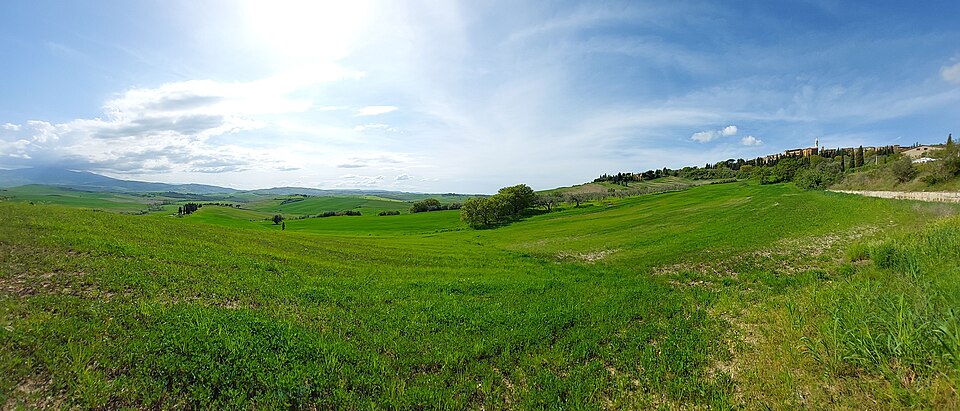
Florence also works well as a base. A countryside day can provide visual and sensory contrast after concentrated museum time, but it should have a clear theme. A driver collecting villages at speed is not the same as experiencing Tuscany.
A purposeful Tuscan extension
Choose one of three shapes:
- A landscape day: a scenic route, one principal town or village, a relaxed meal and perhaps a viewpoint or garden.
- A food-and-wine day: one or two confirmed producers with enough time to understand their work, plus a meal; never imply that alcohol is the only way to engage with local culture.
- An art-and-architecture day: a historic town, abbey, villa or garden connected by a coherent story.
If the countryside is a principal reason for travelling, stay there rather than treating it as a day trip. Several nights allow mornings and evenings outside the city and make a private driver more meaningful. If it is secondary, one well-edited excursion avoids another hotel move.
Venice: arrive with a plan, then loosen it
Venice is not a normal final city. Arrival method shapes the first impression, luggage movement needs to be explicit, and an address that looks close may involve bridges or a boat connection. Confirm where the road or rail service ends, who meets the guests, how bags travel, and whether the final approach is on foot or by water.
The city’s official tourism description emphasises both its historic centre and its wider lagoon, including distinct sestieri and islands. This suggests a better structure than a single crowded walk through famous points: orient the traveller, guide one coherent historical route, then allow different districts and the lagoon to unfold at their own pace.
A first guided session may connect St Mark’s area with the political and commercial history of the city. Another can focus on art, crafts, Jewish heritage, architecture or quieter residential districts. Do not make every crossing a race back toward the same landmarks. Venice’s pleasure often lies in a short route made long by looking.
Public water transport can be practical and scenic. Venezia Unica publishes current information about vaporetto tickets and time-limited travel products. A private water taxi serves a different purpose: direct point-to-point movement, luggage support or a particular arrival experience. Neither is universally superior. Choose according to route, group, mobility, luggage and desired level of assistance.
Venice’s Access Fee is another live operational detail. Application dates, hours, areas and exemptions are defined by official municipal rules and can change. The itinerary should direct travellers to Venezia Unica’s current portal, determine whether action is required for their dates and circumstances, and retain any required documentation. Never copy an old annual calendar into an evergreen itinerary.
Give Venice unbooked time
At least one block should have no guide and no admission. Early morning and evening offer a different relationship with the city, but the point is not to promise emptiness. It is to let the traveller choose a bridge, café, church or waterfront without being late for something else.
An island day also needs editing. Murano, Burano, Torcello and other lagoon destinations are not interchangeable photo stops. Choose the island or combination that fits the interest—glass, lace, early history, landscape or food—and account honestly for navigation time. A private boat can create flexibility, but weather and operating conditions still govern the day.
What should “beyond” mean?
The extension should answer a desire not met by the three cities. Five directions are particularly clear.
A slower Tuscany
Best for travellers who want landscapes, rural accommodation, producers and smaller historic centres. It combines naturally with Florence but adds value only if the schedule allows the countryside’s slower rhythm.
Emilia-Romagna
Useful for a food-led journey, porticoed cities, artisan production and a less monument-driven counterpoint. Select one base and a few high-quality visits rather than attempting an entire region between trains.
Naples and Campania
Appropriate when archaeology, southern city life, cuisine or coastal landscapes are priorities. Naples should not be described merely as the gateway to somewhere else. Adding this direction requires enough nights to avoid turning Rome into a brief transit stop.
The lakes or northern landscapes
Suitable for travellers seeking water, villas, gardens and a change of scale after the art cities. Seasonal boat, garden and hotel operations need direct confirmation. Decide whether the lake is a restful finale or an active touring base.
No extension at all
Often the most luxurious choice. Add the extra nights to Rome, Florence or Venice, include a free day and reduce the number of early departures. A first journey does not become more complete simply by covering more territory.
A sample framework, not a fixed package
For travellers with roughly two weeks on the ground, a balanced sequence could be:
- Arrive in Rome and keep the first day light.
- Explore ancient Rome with a private guide around the confirmed timed entry.
- Focus on another historical or religious layer.
- Enjoy an independent Roman day or a specialised interest.
- Transfer to Florence and orient gently.
- Visit the Uffizi or pursue another principal Florence theme.
- Explore Florence independently or with an artisan, food or architecture focus.
- Take one purposeful Tuscan excursion.
- Transfer to Venice with a clearly managed arrival.
- Follow one guided Venetian narrative.
- Explore another sestiere or the lagoon.
- Keep meaningful free time before departure or continue to a chosen extension.
This is deliberately not a claim about the ideal number of nights. It shows the rhythm: arrival, depth, breathing space, transfer, depth again. A shorter journey removes optional layers. A longer one adds nights, not just stops.
Decide where private service matters most
Not every element needs a guide or luxury vehicle. Spend private-service time where it changes the experience.
It is often most valuable for:
- interpreting complex archaeological or artistic sites;
- managing accessibility, children or a specialist interest;
- transferring through complicated thresholds with luggage;
- reaching countryside places not conveniently connected by public transport;
- coordinating a weather-dependent boat or regional day;
- solving an arrival in which road, rail, walking and water meet.
It may add less value to a free afternoon in a compact centre, a simple direct rail journey for confident travellers or an evening that the guest wants to keep spontaneous. Selective service feels more personal and can preserve budget for exceptional guides and well-located accommodation.
Avoid the classic first-trip errors
The first is changing hotels too often. Each move removes part of a day and introduces another point of failure.
The second is confusing proximity with ease. Venice bridges, Roman distances, museum security and summer heat do not appear in a simple map estimate.
The third is booking attractions before the route is settled. Timed entries can force undesirable transfers or divide a guide’s day inefficiently.
The fourth is allowing every meal to become an appointment. Reserve the meals that matter and offer reliable options for the rest.
The fifth is promising a flawless schedule. Transport, weather and institutional operations remain outside the planner’s control. Build margins and alternatives instead.
The sixth is forgetting the final day. A very early departure from Venice, a remote countryside property or a lake can require complex logistics. Test the route against the flight before confirming the final hotel.
Finish with an operational review
Four to six weeks before travel—or at the appropriate point for the confirmed services—review every day as one connected system. Check names and ticket conditions, meeting points, guide and driver contacts, luggage handling, accessibility, restaurant commitments and cancellation terms. Closer to departure, recheck attraction notices, transport, weather-sensitive services, public holidays and municipal requirements.
Give the traveller one clean document and offline access to essential vouchers. Mark fixed times clearly and label estimates as estimates. Include a contact for genuine disruption, but do not burden the guest with the internal details of every supplier.
Then look at the itinerary one last time and ask whether each city has a distinct emotional register. Rome should not feel like Florence with larger monuments. Florence should not feel like a queue of paintings. Venice should not feel like a day trip stretched over several nights. The extension, if there is one, should introduce a new pace rather than another collection of landmarks.
A first private journey through Italy succeeds when the traveller leaves with orientation and appetite: a sense of how the country’s places differ, a few encounters understood in depth and a reason to return. The route does not need to contain all of Italy. It needs to make the first Italy feel unmistakably theirs.
Source notes for editorial review
- Italia.it: Rome, Florence and Venice informed the destination framing.
- Italia.it: Venice and its lagoon supports the distinction between the historic centre, sestieri and lagoon islands.
- Italia.it transport guidance is an official starting point; exact rail and road information must still be checked for the travel date.
- Uffizi Galleries: ticket purchasing and visitor information support the Florence operational notes.
- Colosseum Archaeological Park: opening times and tickets supports the timed-entry example for Rome.
- Venezia Unica vaporetto information and the official Access Fee portal support the Venice planning cautions.
> Editorial status: draft only. Reconfirm every operational fact through its official source immediately before publication.