Orosei
Orosei is a low-slung town of granite lanes and baroque churches in the Cedrino river valley on Sardinia’s central-eastern coast, two and a half kilometres from the sea. It combines a genuine working centro storico with one of the island’s finest stretches of coastline, making it a calm, practical base for the beaches and wetlands of its gulf.
Why visit
Orosei appeals to travellers who want a real town rather than a resort strip, and a coastline worth clearing the diary for. The historic centre counts some seventeen consecrated churches in a compact weave of lanes, from the baroque parish church of San Giacomo to a chapel holding fifteenth-century frescoes. Twenty kilometres of coast unfold below the town: long golden beaches, coves framed by pale rock, and the dunes and lagoons where the Cedrino meets the sea. The gulf and the Gennargentu massif together form a regional park, so walkers, birders and boaters all find their route here. Add Holy Week rites that rank among Sardinia’s most moving, a cuisine finished with strawberry-tree honey, and easy day trips into the mountains, and Orosei works as both a destination in itself and a springboard for the whole eastern coast.
Character and history
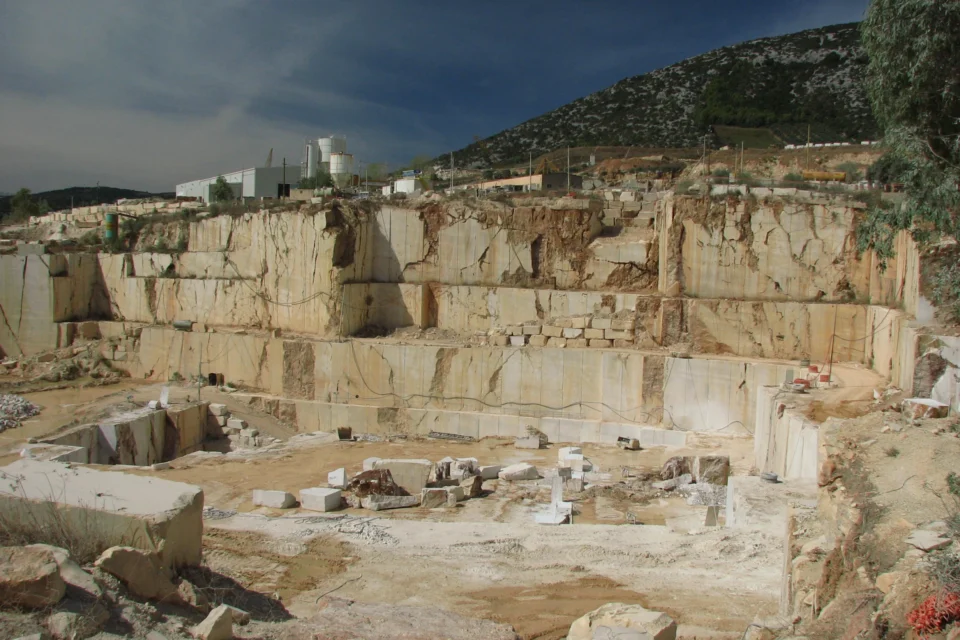
The first settlement here was Roman — a place recorded as Fanum Orisi in the second century — and the medieval town of Urisè grew important enough to seat a curia, its status still recalled by a tower dedicated to its saint. Agriculture, marble quarrying and now tourism sustain a community of about seven thousand. The old town rewards unhurried wandering: the Chiesa delle Anime keeps an eighteenth-century wooden pulpit, and beside the church of Sant’Antonio bonfires are lit each January for Sant’Antonio abate. Prehistory sits close by too, in the nuraghe Rampinu and the ancient village of sa Linnarta. Holy Week brings sos Sepurcros and s’Incontru, solemn rites that draw the whole town into the streets, and everyday life still revolves around the family tables where seadas drizzled with local honey ends the meal.
What to see
Begin in the centro storico with its churches, then head for the water. South of the marina, the Oasi di su Barone strings together a four-kilometre beach, a pine forest and the brackish su Petrosu–Avalè pond behind the dunes, a protected site where grey herons, cormorants and little egrets feed and pink flamingos pass through; marked trails and the Cedrino mouth make it as good for walking as for birdwatching. On the coast road north-east, Cala Liberotto is an emerald bay of coarse golden sand with three boulders rising from the shallows, backed by the reed-fringed sos Alinos pond and pines. Inland, the evocative ruins of the Castle di Pontes cling to a spur below Monte Tuttavista, a fortress begun in the eleventh century that the writer Grazia Deledda folded into her Nobel-winning novel “Canne al Vento”. Nearby stands the Nuraghe San Pietro – Torpè, a quadrilobed complex occupied from the Early Bronze Age through the Roman imperial era, its southwest tower converted in the second century into a granary.
How to experience
Structure your days around the light. Mornings suit the old town and the archaeological sites before the heat; afternoons belong to the coast, when you can swim at Cala Liberotto or walk the dune footbridge at su Barone. Boat excursions from the area reach the gulf’s most secluded coves, and windsurfers and kitesurfers favour the exposed stretch at su Barone when the wind rises. Time a visit for Holy Week if solemn tradition moves you, or for late spring and September, when the sea is warm and the beaches quiet. Rent a car: the coast roads, the castle spur and the nuraghe all lie beyond walking distance. Eat local — seadas with strawberry-tree honey, fresh fish, and the pecorino of the surrounding hills — and linger over coffee in the shade of the old town’s squares.
Practical planning
Orosei sits on the SS125, about an hour’s drive from Olbia’s airport and port, and is linked by local buses, though a car is strongly recommended for beaches and sites. The town itself is flat and walkable, with parking outside the historic centre. Beach access is generally free; su Barone has a parking area in the pine forest and seasonal services, while Bidderosa, further north, limits daily entry in summer — check current arrangements on sardegnaturismo.it or with local operators before setting out, since rules and opening windows change by season. Book accommodation early for July and August; May, June and September offer the best balance of sea temperature and calm. Bring water and sun protection for the coastal trails, and modest dress for the churches.
Nearby places
The gulf’s great names are close at hand. Cala Gonone, down the coast, is the launch point for the coves beneath the limestone cliffs, while the Gulf of Orosei itself rewards a full day by boat. Inland, Dorgali pairs mountain scenery with wine country, and Baunei opens the wild highland trails towards the south.
Worth building a day around.
Cala Liberotto
Regione Sardegna — SardegnaTurismo, in “Cala Liberotto | SardegnaTurismo - Sito ufficiale del turismo della Regione Sardegna”, identifies Cala Liberotto as a visitor-relevant attraction…
Castello di Pontes
Regione Sardegna — SardegnaTurismo, in “Castello di Pontes | SardegnaTurismo - Sito ufficiale del turismo della Regione Sardegna”, identifies Castello di Pontes as a…
Nuraghe San Pietro - Torpè
Regione Sardegna — SardegnaTurismo, in “Nuraghe San Pietro - Torpè | SardegnaTurismo - Sito ufficiale del turismo della Regione Sardegna”, identifies Nuraghe San Pietro…
Oasi di su Barone
Regione Sardegna — SardegnaTurismo, in “Oasi di su Barone | SardegnaTurismo - Sito ufficiale del turismo della Regione Sardegna”, identifies Oasi di su Barone…
Journeys in Orosei.
Demo — Orosei Private Highlights Tour
Let a local expert design your Orosei day.
Tell us your dates and pace. A travel designer replies within one working day.