Olbia
Olbia — the Greeks named it “happy” — is the gateway to northeastern Sardinia and far more than its airport and ferry port. An ancient city with Punic walls, Roman streets and a medieval basilica, it wraps around a gulf guarded by the cliffs of Tavolara, with turquoise coves, an artist village in the granite hills and celebrated resorts on its doorstep.
Why visit
Most travellers pass through Olbia; the reward goes to those who stop. The city itself is an unexpectedly dense slice of island history: the Greeks gave it its auspicious name, Carthaginians walled it, Rome made it the main centre of the eastern coast, and in 1999 the old port gave up twenty-four ancient shipwrecks, some sunk during a Vandal siege. Its basilica of San Simplicio, raised in the late eleventh and early twelfth centuries, is the most important medieval church in the northeast. Around the city the coast runs from the four little coves of Porto Istana, with the vertical silhouette of Tavolara filling the horizon, to marinas and white-sand beaches that flow into the Costa Smeralda. In the granite hills, the artist village of San Pantaleo keeps a bohemian court of goldsmiths and sculptors. Few Italian provincial cities pack an archaeological museum, a Pisan castle, world-class beaches and mussel-and-vermentino lunches into so small a radius.
Character and history
Olbia sits at the head of a broad gulf on Sardinia’s northeastern shore, the economic engine of the Gallura and the island’s chief point of entry by air and sea. Its story is one of the longest in Sardinia: human presence from the fourth millennium BC, roughly fifty nuragic settlements in the surrounding country — including nuraghe Riu Mulinu and the sacred well of Sa Testa — and a stable Punic settlement from the fifth or fourth century BC, whose walls still show along Via Torino. Under Rome the city gained paved streets, baths, a forum and an aqueduct; the Punic-Roman necropolis of some four hundred and fifty tombs, later in Christian use, survives beside San Simplicio, now an on-site museum, while a hoard of nearly nine hundred gold coins found in the city rests in the archaeological museum on the islet of Peddone. The Middle Ages left the granite keep of Pedres above the plain, built under Pisan rule to watch over the giudicato of Gallura. Modern Olbia has grown energetic and somewhat traffic-proned, but the old quarter, the waterfront promenade and the restaurant tables mounded with local mussels keep it unmistakably Gallurese.
What to see
In town, start with the basilica of San Simplicio and its necropolis museum, then the baroque church of San Paolo with its maiolica-tiled dome. Five kilometres south, Pedres Castle stands on a granite outcrop about 140 metres above the plain — a thirteenth-century Pisan keep with double walls, a medieval monument to match the basilica, with the Giants’ Tomb of Su Mont’e s’Abe three hundred metres below it. The coast supplies the rest. Porto Istana lies at the foot of Capo Ceraso, four small coves of fine white sand framed by pink granite, where Tavolara rises sheer from transparent water and the sea floor belongs to a protected marine area. South along the coast, Porto Rotondo was founded in 1964 by Venetian brothers who shaped it in memory of their city — its main square is called piazzetta San Marco — and its marina of eight hundred berths anchors a summer town of some thirty thousand. Nearby Portisco pairs a Blue Flag marina with a white-sand, shallow-water beach in the gulf of Cugnana, while Razza di Giunco strings four beaches between pink headlands, popular with snorkellers and families. Inland, San Pantaleo gathers artisans and galleries around a granite piazza, with its celebrated craft and antiques market on Thursdays in spring and summer.
How to experience
Give the city one unhurried half-day — basilica, necropolis, old streets, an early evening along the waterfront — then treat the rest as a coastal progression. Beach-hop by car between Porto Istana, Pittulongu and the southern coves, or rent a boat for the Tavolara marine area. A morning in San Pantaleo on a market Thursday, followed by lunch in the piazza, is one of Gallura’s pleasures. Olbia’s tables are a destination in themselves: its mussels with vermentino, Gallurese soups and the pasticcerie along the centre. If you’re sailing onward, the marinas here are the practical start point for the Maddalena archipelago.
Practical planning
Olbia’s airport and the Isola Bianca ferry terminal make it the natural first and last night of a northeastern Sardinia trip; the city is about thirty minutes from the Costa Smeralda resorts and similar from San Teodoro to the south. Buses link city, beaches and airport, but a hire car pays for itself within a day. The sea season runs May to October, peaking — heavily — in July and August; book beaches’ parking, boats and restaurants ahead, and favour June or September for quieter water. Beach and archaeological-site services operate seasonally, so confirm current arrangements via sardegnaturismo.it or local operators. Note that Porto Rotondo’s town centre is largely pedestrian in summer evenings — park at the perimeter.
Nearby places
Costa Smeralda begins at the city’s northern edge, with Porto Cervo and Arzachena, the nuragic capital of the coast, just beyond it. Palau and the La Maddalena Archipelago lie to the north for the classic island day trip.
Worth building a day around.
Castello di Pedres
A current Comune di Olbia notice (Ordinanza 71/2025) prohibits access to Castello di Pedres for public safety after reported lesions, pending safety works; no…
Portisco
SardegnaTurismo places Portisco in Olbia territory and describes its Marina di Portisco tourist port, beaches, coves, parking and beach services; no admission ticket or…
Porto Istana
SardegnaTurismo places Porto Istana in Murta Maria/Costa Corallina in the municipality of Olbia and states that the beach has public-visitor services, parking, public transport…
Porto Rotondo
SardegnaTurismo identifies Porto Rotondo as an Olbia locality centred on a tourist port and Piazza San Marco; it does not publish a venue admission…
Razza di Giunco
The opened regional page identifies one Cala Razza di Giunco coastal attraction, explicitly says it comprises four beaches, and places the coast between Portisco…
San Pantaleo
SardegnaTurismo presents San Pantaleo as a historic village/locality in Olbia territory with public streets, square and community events; no admission ticket or attraction timetable…
Journeys in Olbia.
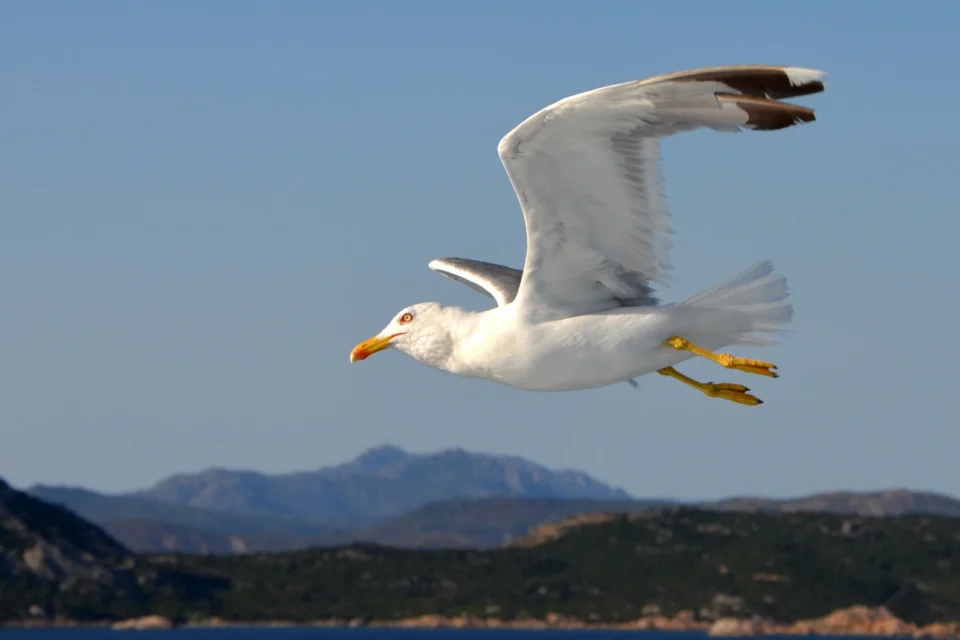
Demo — Olbia Private Highlights Tour
Demo — San Pantaleo Private Highlights Tour
Let a local expert design your Olbia day.
Tell us your dates and pace. A travel designer replies within one working day.